
You had a drink.
You took a medication.
You had anesthesia.
You accidentally smoked something you shouldn't have.
And suddenly someone says:
“Just pump and dump.”
So you pump.
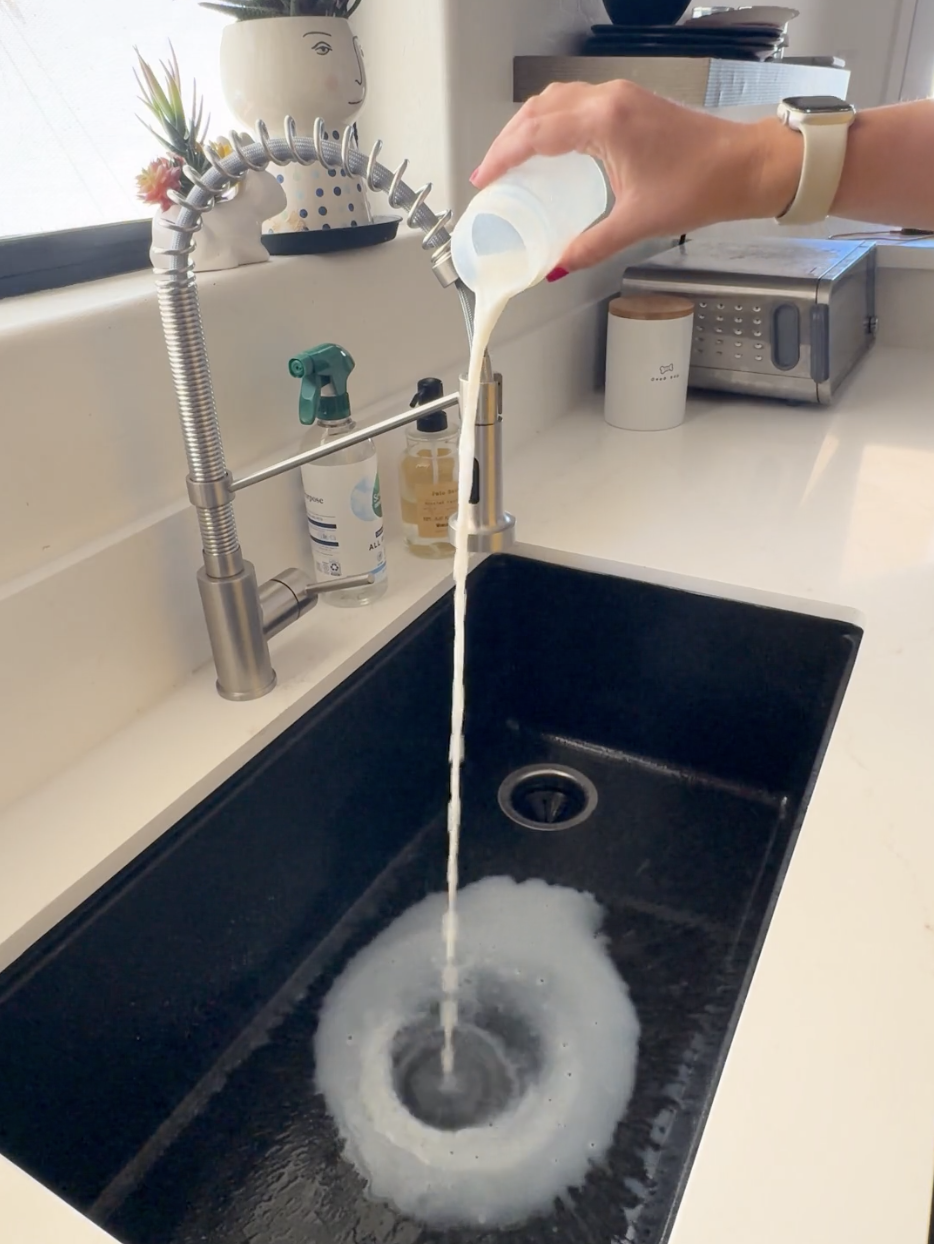
You dump.
You cry a little because that was 6 ounces of hard-earned breast milk.
And then you wonder:
Did I actually need to throw that away?
Here's the thing: “pump and dump” is not a universal breast milk safety rule.
Sometimes pumping and discarding milk is appropriate. Sometimes pumping is helpful for your comfort or your milk supply—but dumping the milk isn't necessary. And sometimes, pumping and dumping does absolutely nothing to make a substance leave your breast milk faster.
Let's nerd out for a minute.
First: What does “pump and dump” actually mean?
Pretty literally, it means expressing your breast milk and discarding it rather than feeding it to your baby.
There are a few reasons someone might do this:
To maintain their normal pumping schedule
To relieve uncomfortable breast fullness
To protect milk supply while temporarily not feeding that milk to baby
Because a substance in the mother's body may make the milk temporarily inappropriate for the baby
Because the milk has been contaminated or exposed to something that genuinely requires discarding
But here's the important part:
Pumping the milk out of your breasts does not automatically make the next batch of milk “clean.”
Whether you need to discard milk depends on what you're exposed to, how much, how the substance behaves in your body, and how long it remains in your system.
That's why “just pump and dump” is sometimes a pretty incomplete answer.
Let's talk about the most famous example: alcohol
This is where the phrase gets used constantly.
And alcohol is actually a great example of why pumping and dumping can be misunderstood.
Alcohol moves between your bloodstream and your breast milk. The concentration in milk closely follows the concentration in your blood. As your blood alcohol level falls, the amount in your milk falls too.
Your breasts are not a storage tank where alcohol sits waiting to be pumped out.
So if you have one drink and pump 30 minutes later, then dump that milk, you haven't caused the alcohol to leave your body any faster.
Your liver still has to metabolize the alcohol.
In other words:
Pump & dump ≠ “get alcohol out faster.”
The CDC currently recommends waiting at least 2 hours per drink before breastfeeding, while recognizing that the amount of time can vary based on factors including how much alcohol was consumed and individual metabolism.
If you pump during that waiting period, you may absolutely pump and dump if you don't want that milk saved.
But you're doing it because you need to remove milk for comfort or maintain your pumping schedule—not because pumping somehow detoxifies your breasts.
And if you've got previously pumped milk available, you can use that while you're waiting.
So why pump at all?
Because your boobs still have a schedule.
If you're away from your baby or need to skip a feeding, expressing milk can help prevent uncomfortable fullness and help maintain your milk production. The CDC recommends pumping about as often as your baby would normally feed when you're separated, particularly if maintaining supply is your goal.
So sometimes the real answer is:
Pump? Yes.
Dump? Maybe.
Because pumping gets alcohol out of your milk? Nope.
But what about medications?
This is where things get more complicated—and where I really don't want you taking breastfeeding advice from a random TikTok comment.
“Medication = pump and dump” is not a rule.
In fact, InfantRisk notes that it is rare for a breastfeeding mother to need to completely discontinue breastfeeding because of a medication, although individual medications and individual babies can change the recommendation.
Medications differ dramatically in how much enters breast milk and how much of that medication a baby can actually absorb.
Things like the medication's molecular size, protein binding, half-life, blood concentration, and oral bioavailability all matter.
And here's another important piece:
A medication that isn't recommended during pregnancy isn't automatically unsafe during breastfeeding.
Pregnancy and lactation are two different exposure situations.
InfantRisk specifically recommends evaluating medications based on breastfeeding exposure rather than assuming that a medication that's contraindicated during pregnancy must also require stopping breastfeeding.
This is why resources like InfantRisk and LactMed are so useful.
Instead of:
“I took this medicine. Should I pump and dump?”
The better question is:
“What is the actual breastfeeding recommendation for this specific medication, dose, and baby?”
That's a much more useful question.
And anesthesia?
Another classic “better pump and dump just in case” situation.
But according to InfantRisk, most medications used during anesthesia are compatible with breastfeeding, and discarding milk after surgery is rarely necessary for healthy, full-term or older infants. Many mothers can resume breastfeeding or pumping once they are awake and alert.
There can absolutely be exceptions—especially depending on the medication, procedure, and baby's age or medical situation.
But again:
“I had anesthesia” does not automatically equal “throw away your milk.”
Ask about the actual medications used.
When pumping and dumping really DOES matter
Okay, so if “pump and dump” isn't the answer to everything, when might it actually be appropriate?
There are situations where healthcare professionals may recommend temporarily pumping and discarding milk.
For example, the CDC recommends pumping and discarding breast milk in certain cases of significant lead exposure until the mother's blood lead level decreases.
And there are substances where the concern isn't simply a short window of time.
Cannabis is a good example.
THC behaves very differently from alcohol. It is stored in body fat and can remain in the body much longer. The CDC notes that THC can be present in breast milk for an extended period and recommends avoiding marijuana and CBD products while breastfeeding.
That's not a situation where you can simply say:
“It's been two hours, so I'll pump and dump and I'm good.”
Different substance. Different pharmacology. Different conversation.
And that's exactly why blanket advice doesn't work.
The big takeaway
Before you dump your breast milk, ask:
What am I trying to get out of my milk?
Because the answer matters.
If it's alcohol, time is what allows the alcohol level in milk to fall—not repeated pumping.
If it's a medication, the answer depends on the specific medication and your specific situation.
If it's anesthesia, discarding milk is often not necessary for routine procedures, but the actual medications should be checked.
If it's cannabis or another substance that remains in the body for a longer period, pumping and dumping for a few hours is not a magic reset button.
And sometimes you may pump and dump simply because you need to keep your breasts comfortable or maintain your pumping schedule while temporarily using other milk.
All of those scenarios can look like “pump and dump.”
But they're not the same thing.
Before you sacrifice the liquid gold...
Check first.
InfantRisk is one of the resources I frequently recommend for questions about medications and breastfeeding. Their team specializes in medication exposure during pregnancy and lactation.
LactMed, maintained by the National Library of Medicine, is another excellent evidence-based database where you can look up specific medications and substances and see information about breast milk levels, infant exposure, reported effects, and possible alternatives.
And if you're working with a lactation professional, your pediatrician, or another healthcare provider, bring them the specific substance, dose, timing, and your baby's age and health history.
Because “pump and dump” is easy advice.
The right answer is usually a little more nerdy.
And honestly?
I'd much rather you spend five minutes checking than throw 8 ounces of breast milk into the sink because someone on the internet told you that you had to.
Sources & Further Reading
InfantRisk Center: Alcohol and Breastfeeding
InfantRisk Center: Breastfeeding, Surgery, and Anesthesia
InfantRisk Center: Medication use while breastfeeding
CDC: Alcohol and Breastfeeding
CDC: Pumping Breast Milk
NIH LactMed: Drugs and Lactation Database
CDC: Marijuana and Breastfeeding
A note from Amey: This article is for general education and isn't a substitute for individualized medical advice. If you're wondering whether a specific medication, substance, procedure, or exposure is compatible with breastfeeding, get guidance based on your actual situation rather than automatically dumping your milk.
Want personalized support with breastfeeding? Let’s chat!