

Feeding Your Baby to Sleep Is Biologically Normal — Not a Parenting Failure
“Don’t feed your baby to sleep.”
Few pieces of parenting advice get repeated more confidently, or with less biological basis. Parents are warned they are creating bad habits, building sleep crutches, preventing their baby from learning to self-settle. The messaging is everywhere. And it is almost always delivered with urgency, as if the window to ruin your child’s sleep forever is closing fast.
Here’s the truth: feeding to sleep is not a design flaw in your parenting. It is a design feature of your biology.

The Best Breastfeeding Positions (And How to Find the One That Actually Works for YOU)
One of the biggest myths about breastfeeding is that there’s one “right” way to hold your baby.
You know the image: perfectly upright parent, classic cradle hold, tiny peaceful baby, soft lighting, nobody sweating.
Meanwhile in real life? You’re balancing a hungry newborn, trying not to aggravate your stitches, wondering why your neck hurts, and questioning whether babies are secretly born with octopus arms.
Here’s the truth: there is no gold medal breastfeeding position.
Let’s walk through the most common positions — plus when each one can be especially helpful.

Your Milk “Coming In”: What’s Actually Happening?
One of the most common things new parents hear after birth is:
“Has your milk come in yet?”
But that phrase can make breastfeeding sound like an on/off switch — as if your body suddenly starts making milk days after birth.
That’s not actually what’s happening.

Swaddling Is a Tool for the First Few Weeks — Not a Lifestyle
Swaddling can be a genuinely helpful tool in the first couple of weeks after birth. And then it is time to move on.
Not because it stops working. Because your baby needs to move.
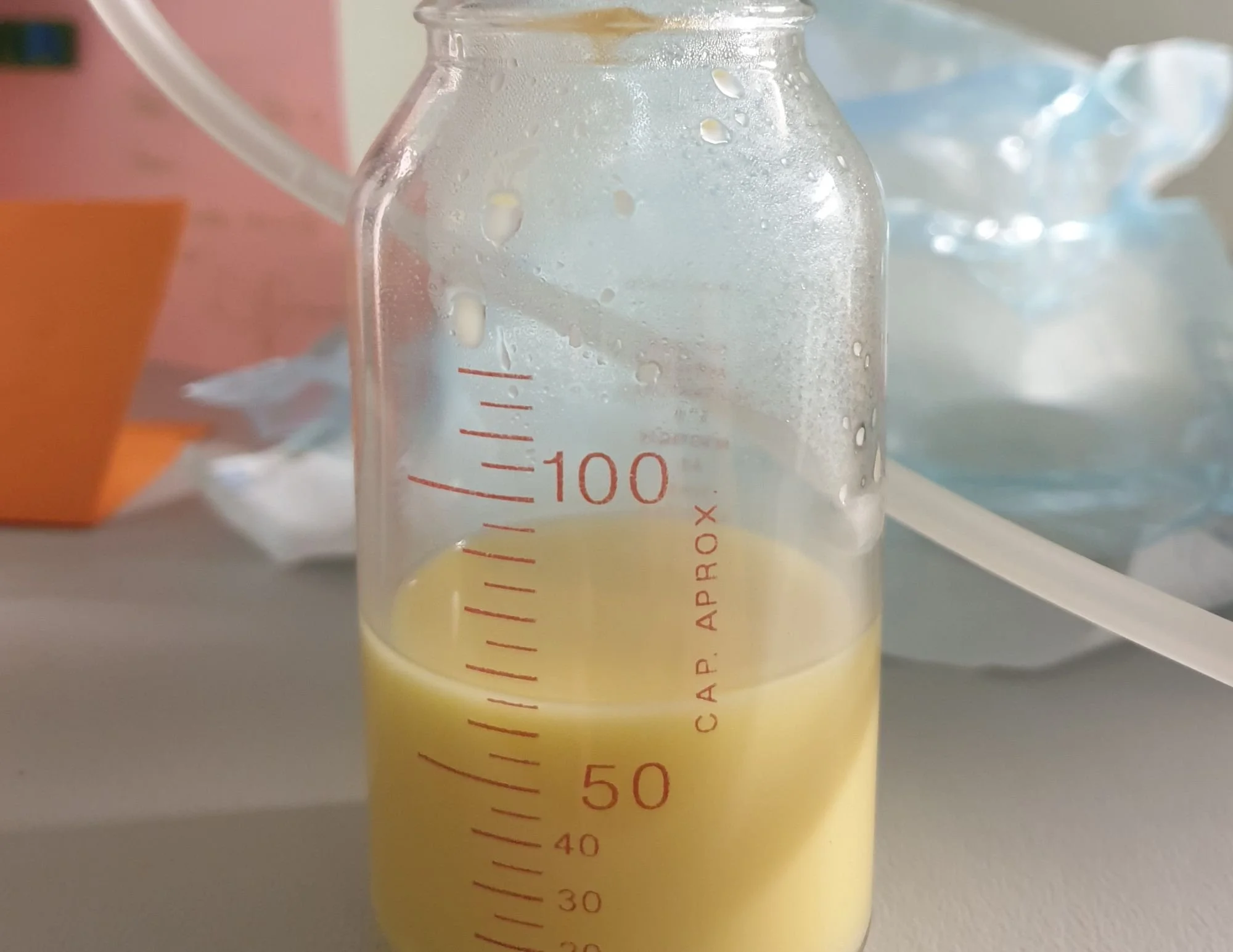
Colostrum — What It Is + Why It’s Called Liquid Gold
If you’re pregnant or newly postpartum, you’ve probably heard the term colostrum tossed around.
Usually it’s described as “your first milk.”
Which is true—but also wildly undersells what it actually does.
Let’s break it down so you understand not just what colostrum is, but why it matters so much in those early days.
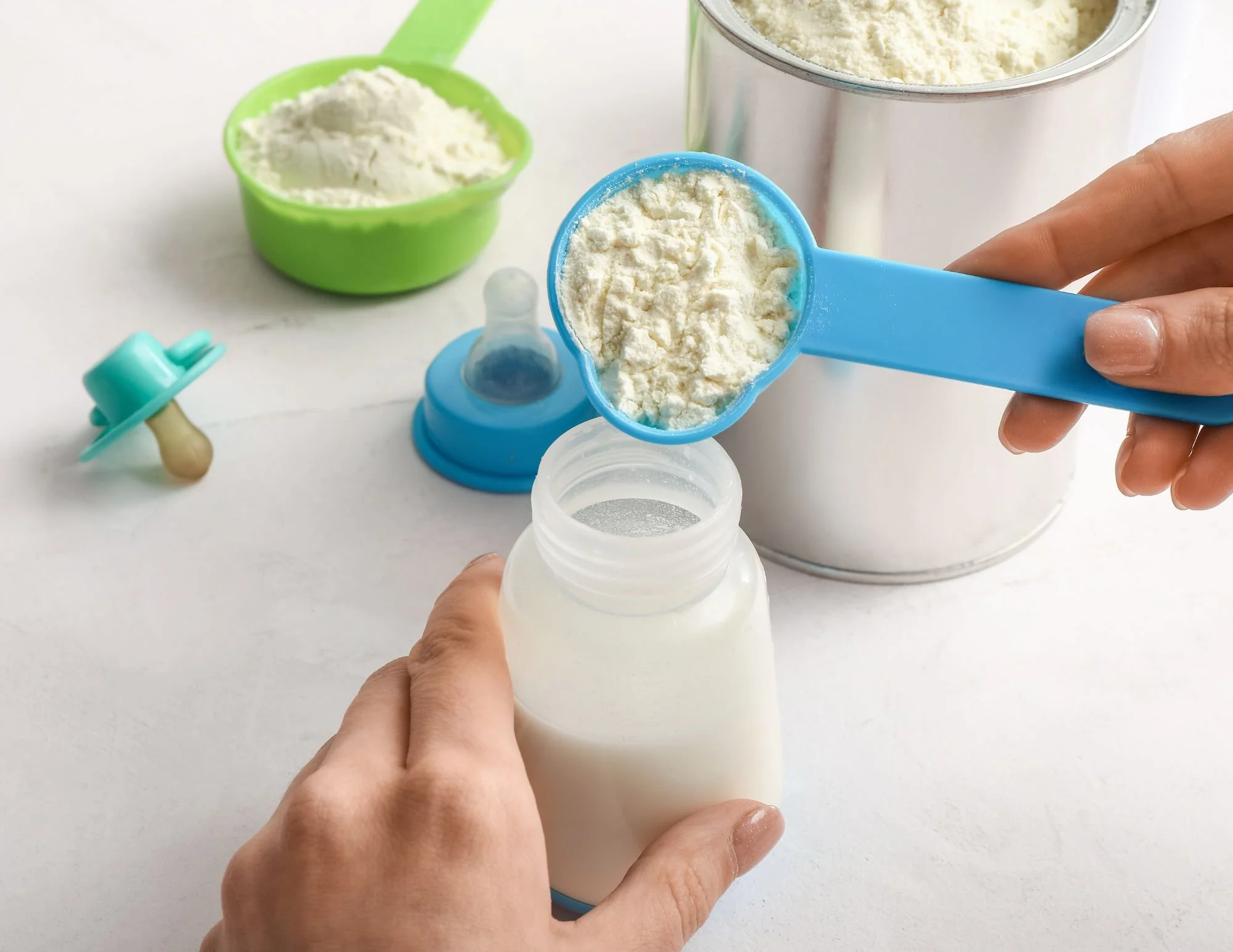
Why IBCLCs Care So Much About Formula Marketing (It’s Not What You Think)
Most people assume IBCLCs are “anti-formula”—but that’s not the story. In this eye-opening piece, Amey breaks down the long, documented history of formula marketing tactics that targeted vulnerable new parents, shaped feeding decisions, and still influence families today. From the shocking origins of “milk nurses” to modern-day influencer campaigns, this is about one thing: making sure parents have truly informed, unbiased information when it matters most.
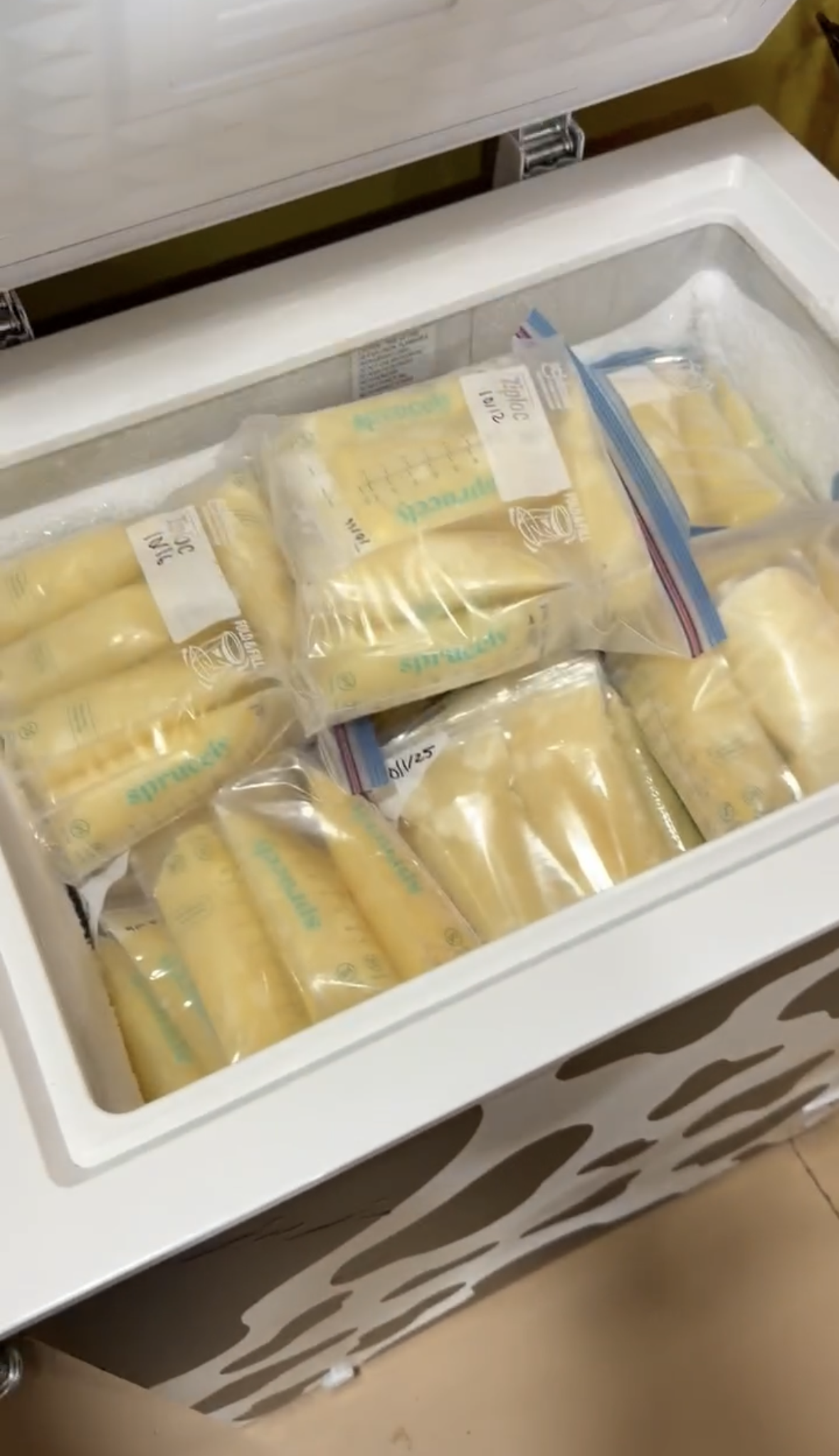
Donor Breast Milk: What It Is, When It’s Used, and What Families Should Know
Donor breast milk is exactly what it sounds like: human milk that has been expressed by one parent and given to another baby.
It can come from:
Formal milk banks (which screen and pasteurize milk)
Informal community sharing (like local networks, friends, or parent groups)
At Bump to Baby AZ, the home of AZ Breastfed Babies, our donor milk comes from generous local families who have extra milk and choose to share it with others in need.

Cluster Feeding: Your Baby’s Brilliant Way to Build Your Milk Supply
Cluster feeding is your baby’s smart way of boosting your milk supply and preparing for longer sleep stretches. In the early weeks, these frequent feeding sessions help open prolactin receptors, setting the stage for a robust milk supply. Later on, cluster feeding often precedes growth spurts and developmental leaps. Understanding this natural pattern can ease your mind and help you respond confidently to your baby's needs.

What Happens in a Prenatal IBCLC Visit—and Why It Can Change Everything
Planning to breastfeed? A prenatal IBCLC visit can set you up for success before your baby even arrives. From learning to latch to managing milk supply and troubleshooting challenges, this custom session gives you tools, confidence, and support so you're not figuring it all out at 2 a.m. Get your questions answered and your plan in place—because when it comes to breastfeeding, preparation makes all the difference.
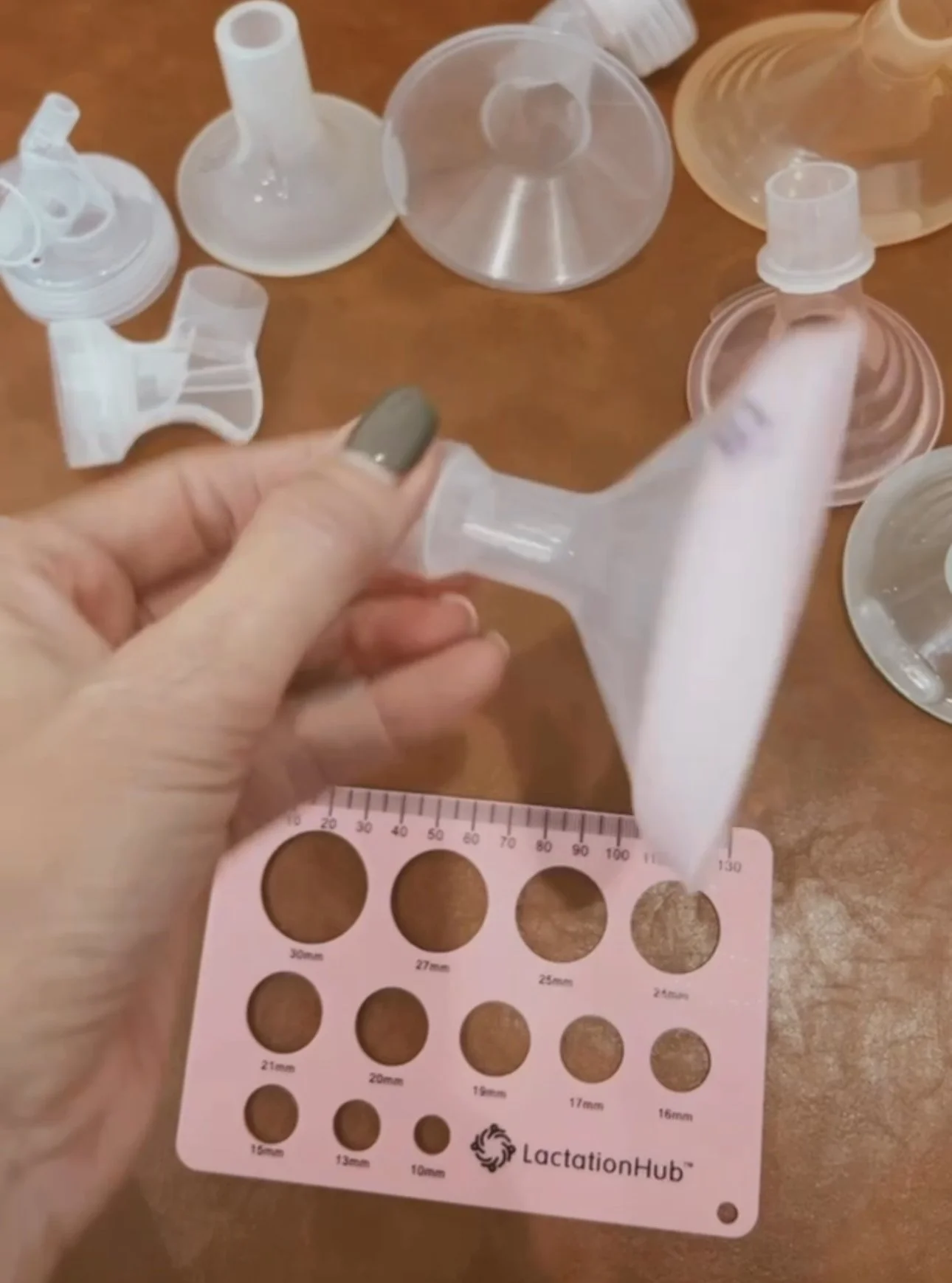
The Truth About Flange Fit: Why Smaller Is (Usually) Better
Flange fit has come a long way since the days of “just use what came in the box.” This blog dives into how we went from one-size-fits-all to personalized sizing, why most parents need smaller flanges, and how proper fit can make pumping more comfortable and more effective. Spoiler: you probably don’t need a 24 mm.

Why Your Prenatal Breastfeeding Class Should Be With an IBCLC (Not Just Your Hospital or Pump Company)
Taking a prenatal breastfeeding class with an IBCLC isn’t just about getting the basics—it’s about building a support system before your baby even arrives. This blog explains why choosing a personalized class over a generic hospital or pump company course can make all the difference in your feeding journey, protect your insurance-covered visits, and give you a trusted expert on speed dial when you need them most.
The First Week of Breastfeeding: What’s Normal and What’s Not
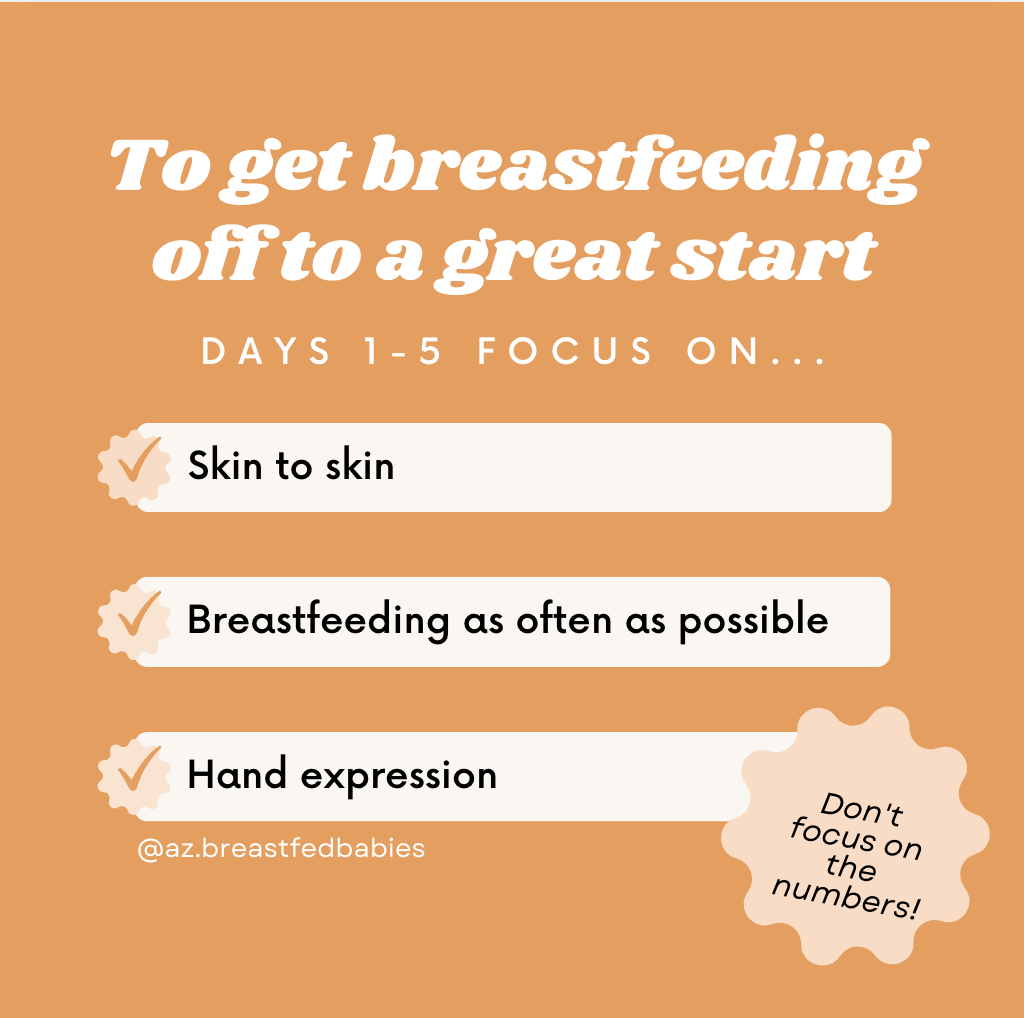
The first week of breastfeeding can feel like a whirlwind of uncertainty—but so much of what feels intense is totally normal. This blog breaks down what to expect during days 1–5, from sleepy newborns to cluster feeding, and explains how to set yourself up for a strong start with skin-to-skin, frequent nursing, and hand expression. Let’s ditch the stress about numbers and focus on connection instead.

Choose Your Team Wisely: Build Your Dream Birth Team
The provider you choose and where you give birth play a huge role in how your breastfeeding journey begins. This blog explores the benefits of midwives, doulas, and birth settings that truly support you—and how to build a team that sets you and your baby up for success from the very first moment.
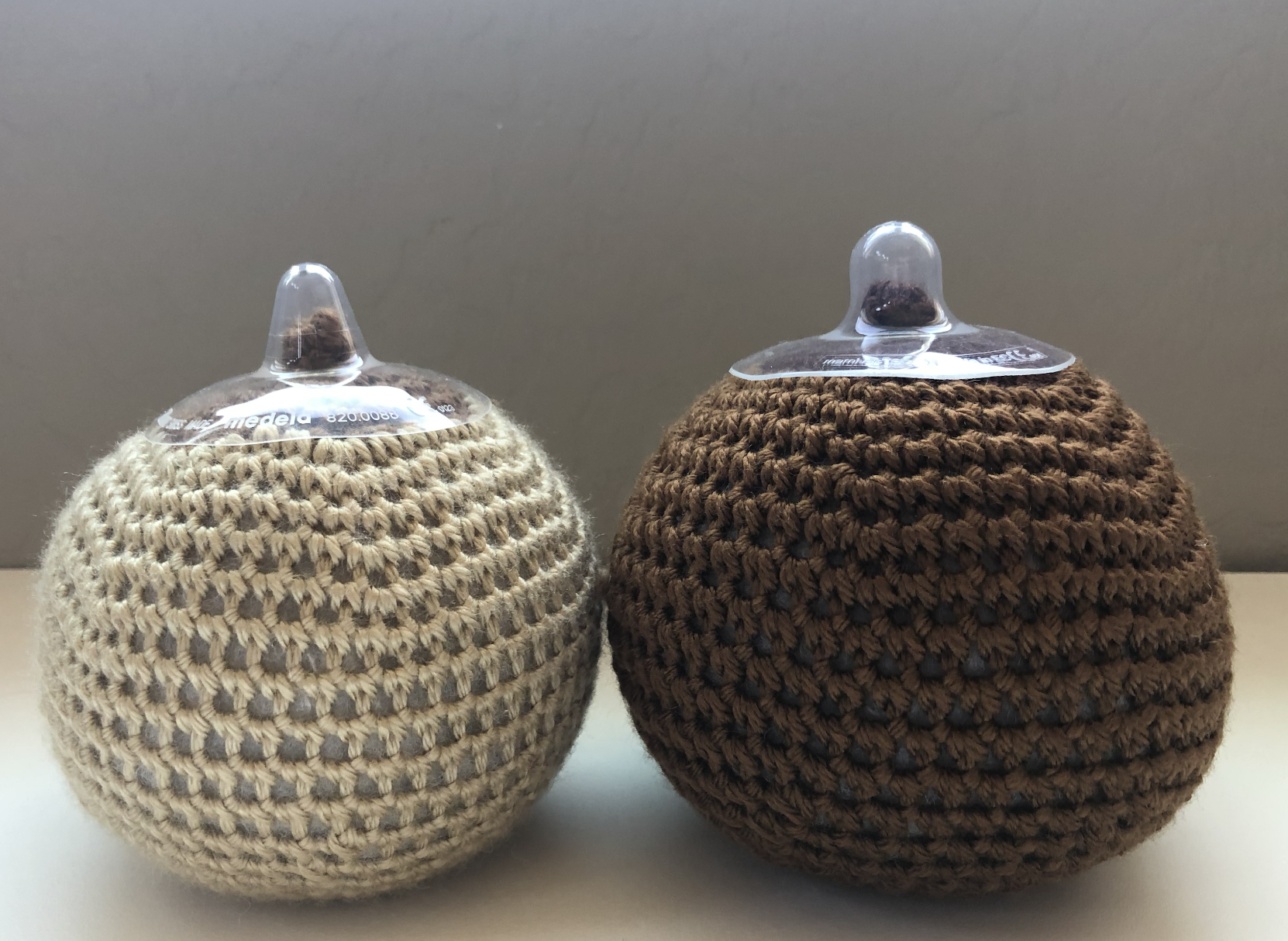
Nipple Shields: When to Use Them, How to Use Them, and What to Know Before You Start
Using a nipple shield can be a helpful breastfeeding tool—but only when used intentionally and with the right guidance. This blog breaks down when to use one, how to use it safely, and why working with an IBCLC can make all the difference in protecting your latch and milk supply.

The First 72 Hours: What to Expect and How to Support Your Baby (and Your Milk Supply)
The first 72 hours after birth are full of big changes—for both you and your baby. From sleepy snuggles to late-night cluster feeding, this blog walks you through what to expect each day and how to support breastfeeding with skin-to-skin, hand expression, and responsive care.
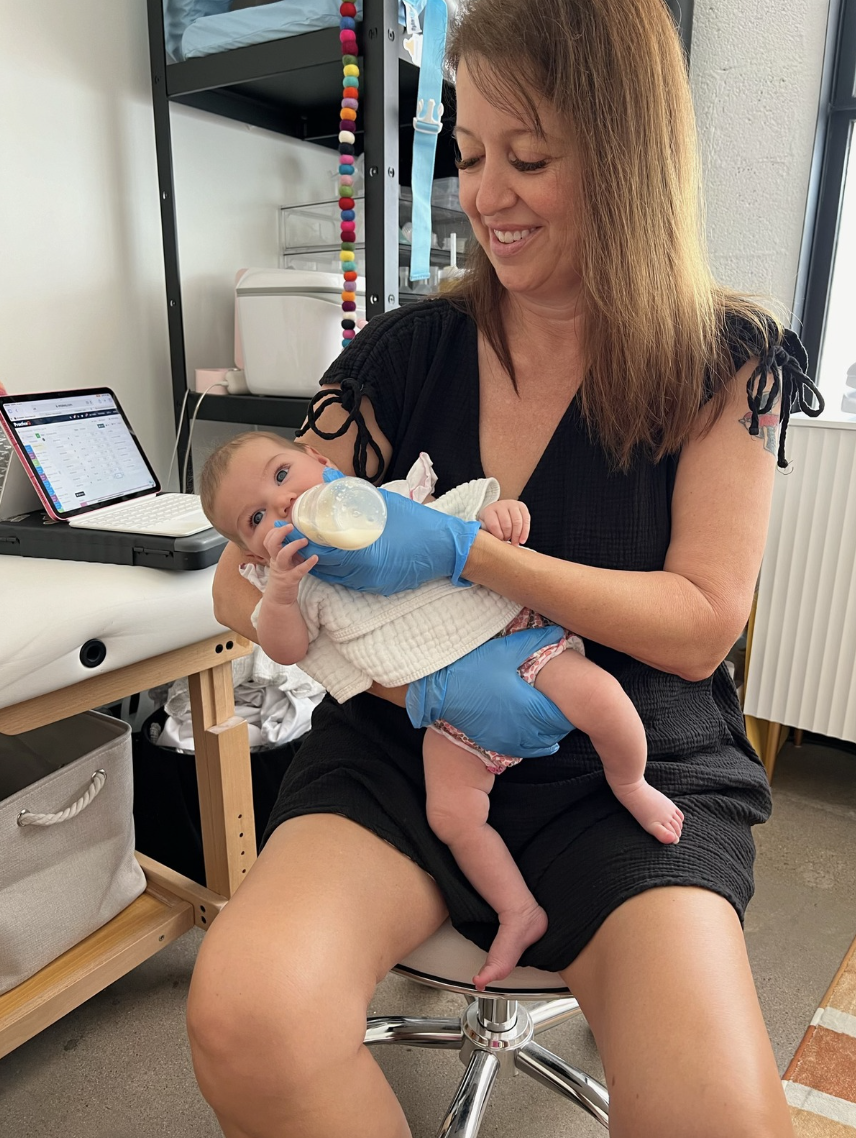
How to Safely Warm Breastmilk (And What to Avoid!)
Warming breastmilk doesn’t have to be complicated—but there are a few key things to avoid to keep all those nutrients intact. Learn why microwaving is a no-go, how to safely warm milk without overheating, and when you might not need to warm it at al

Oral Restrictions and Watchful Waiting: When Breastfeeding Looks Fine (But Something Feels Off)
This blog explores the concept of watchful waiting when oral restrictions like tongue or lip ties are suspected but breastfeeding seems to be going well. It explains why not all ties need immediate release, how symptoms can evolve over time—especially after milk supply regulates—and why feeding function matters more than anatomy alone. With insights from the latest AAP guidance, it empowers parents to make informed decisions while staying supported, whether they choose to wait or move forward with treatment.

Pacifiers & Breastfeeding: What’s Best for Baby and When to Say Goodbye
Wondering if your baby needs a pacifier—or which one to choose? This blog breaks down when to introduce a pacifier, which styles support healthy oral development, and when it might be time to wean. Whether you’re all-in on soothing tools or not sure if a pacifier fits your feeding goals, this guide will help you make an informed, IBCLC-backed choice.

Weaning: Gentle Guidance for Every Stage
Weaning can be emotional, empowering, and everything in between—whether you’re ready to stop before 12 months, nursing a toddler, or just looking to night wean for more rest. This guide walks you through gentle options, practical tips, and supportive resources to help you navigate your unique journey with confidence and care.

D-MER: When Breastfeeding Triggers Unexpected Emotions—and What You Can Do About It
Feeling waves of sadness, anxiety, or irritation right before letdown? You’re not alone—and you’re not making it up. It could be D-MER (Dysphoric Milk Ejection Reflex), a real, physiological response that deserves recognition and support. Learn what it is, why it happens, and how to care for yourself if you’re experiencing it.